
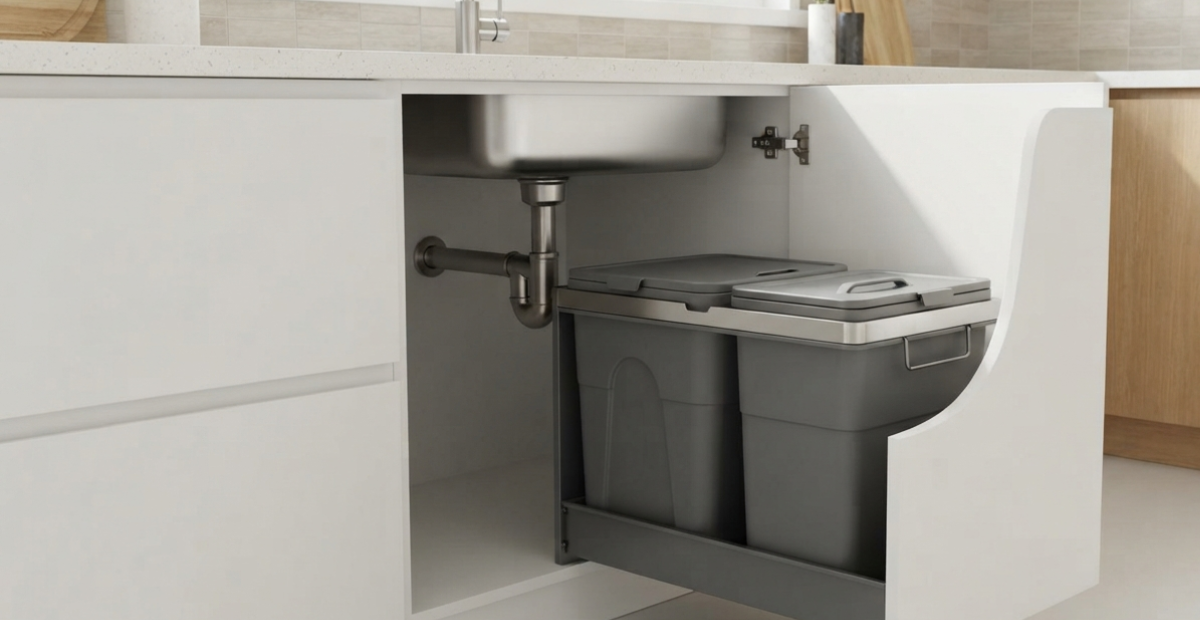
Modern kitchens in Bangladesh demand high-efficiency storage to combat limited square footage. A wardrobe drawer is the ultimate solution for hiding unsightly waste, eliminating floor clutter, and creating a hygienic, professional-grade cooking environment that maximizes your available cabinetry.
Choosing the Perfect wardrobe drawer for Your Layout
Selecting the right waste system is not just about size; it is about seamless integration into your daily workflow.
To choose effectively, analyze your available cabinet width and depth, ensuring the mechanism does not conflict with plumbing or corner storage units.
Step-by-Step Selection Criteria
- Capacity Assessment: Evaluate your household size. A single-bin unit suffices for small apartments, while multi-compartment systems are essential for home-based recycling.
- Mechanism Type: Decide between a door-mounted bin (moves with the door) or a slide-out drawer system (independent operation).
- Material Durability: Opt for high-grade PVC or stainless steel construction, which offers superior resistance to the high humidity levels typical in Bangladesh.
- Clearance Requirements: Always measure the internal dimensions of your cabinet, accounting for hinges and existing internal drawers that might obstruct the bin’s path.
Maximizing Space with Smart Modular Storage
Your wardrobe drawer serves as a cornerstone for a truly optimized kitchen. By centralizing waste disposal, you free up floor space previously occupied by bulky, freestanding bins.
Pair your bin installation with high-utility organizational hardware to ensure every inch of your kitchen serves a purpose.
Essential Hardware for Workflow Optimization
- Pull-out organizers: Perfect for storing cleaning agents near your bin for immediate access.
- Corner Solutions: Utilize magic corners or revolving baskets to ensure your waste management unit does not isolate usable corner space.
- Drawer Dividers: Keep your cutlery baskets and utensil racks separate from the waste zone to maintain strict hygiene standards.
The Aesthetic and Hygiene Advantage
Concealing waste inside a cabinet is the hallmark of modern, high-end apartment design.
When waste is out of sight, the visual noise of the kitchen drops significantly, allowing the focus to remain on your cabinetry finish and countertops.
Why Concealment Matters
- Odour Control: A high-quality, lid-covered cabinet bin traps odors more effectively than open-air alternatives.
- Pest Prevention: Enclosing waste within a sealed or properly fitted cabinet creates a barrier against common household pests.
- Visual Flow: Consistent cabinet doors provide a clean, kitchen-uniform look, essential for open-plan or galley wardrobe drawer.
Pro Tip: When installing a bin under the sink, ensure you choose a water-resistant kitchen sink setup that leaves ample clearance for the bin runners to operate without catching on piping.
Comparison: Freestanding vs. Cabinet-Integrated Bins
| Feature | Freestanding Bin | Cabinet-Integrated Bin |
| Floor Space | Occupies valuable floor area | Hidden; zero floor footprint |
| Aesthetics | Often distracting/cluttered | Seamless and minimalist |
| Hygiene | Higher risk of spills/odors | Contained and ventilated |
| Workflow | Can be kicked/moved | Fixed position; consistent access |
Common Installation Mistakes to Avoid
Even the best hardware can fail if the installation is rushed. Avoid these common pitfalls to ensure your system lasts for years.
Measuring Oversights
Many homeowners measure the exterior of the wardrobe drawer
rather than the interior. You must account for the frame thickness, hinge protrusion, and plumbing lines.
If your cabinet is too shallow, the door will not close, rendering the built-in feature useless.
Ignoring Ventilation
Waste bins create heat and humidity. If your cabinet is completely airtight, moisture can build up and lead to mold or odor retention.
Always opt for bins that allow for some airflow or ensure the cabinet design includes subtle ventilation.
Neglecting Weight Capacity
If you plan to use a heavy-duty bin for glass or metal recycling, ensure your drawer runners are rated for the load.
Using standard runners for heavy waste often results in the mechanism sagging or failing after just a few months.
Integrating Waste Solutions into Existing Kitchens
Retrofitting a concealed bin is easy! Check your base cabinets most slide-out systems need at least 15 inches of width to install successfully.
If you have a five-layer corner basket in the adjacent unit, ensure the bin operation does not overlap with the corner storage swing.
By carefully planning the internal layout, you can transform an outdated kitchen into a modern, high-functioning workspace without needing a full-scale renovation.
Future Trends in 2026: Sustainable Kitchen Management
In 2026, sustainable kitchen waste management is going high-tech. Use sensor-based, modular bins with composting zones to reduce your footprint easily.
Next Steps & Resource Directories
Browse Full Directories
[Home] > [Kitchen Organization]
